Three Things Quietly Capping Your Trades Business — and How One Company Fixed Them
Introduction
Most trades businesses don’t stall because of a lack of demand. They stall because of what happens after the demand shows up.
A call comes in, and nobody’s sure who picked it up last.
A quote goes out, and nobody follows it up in three weeks.
A past customer who’d book happily again never hears from you, because there’s no system reminding anyone to reach out.
None of that shows up on a balance sheet as “the problem.” It just shows up as growth that never quite happens the way it should.
We Love Your Projects — a Glasgow home improvements business specialising in kitchens, bathrooms, rewires, boilers, car chargers and more — knew this problem well.
Managing Director Jamie Gemmill has been open about what growth looked like before the business put proper systems in place, and what changed once it did.
It’s a useful case study, because the three things holding the business back are the same three things holding most trades businesses back.
Missed and inconsistent leads

Before working with Autus, Jamie’s biggest challenge wasn’t demand — it was consistency. Leads came in unevenly, and there was no clear system for what happened once one landed.
“One of the main things was basically inconsistent leads, and then the process of what they actually do when the lead comes in.”
This is where most trades businesses lose ground without realising it. A missed enquiry doesn’t feel like a lost job — it feels like a Tuesday.
But multiply that across a year, and it’s a meaningful chunk of revenue that simply never got the chance to convert, because nobody was tracking whether it had been picked up, followed up, or lost.
The fix isn’t more leads. It’s a system that makes sure none of the leads you already have slip through.
No visibility on the follow-up
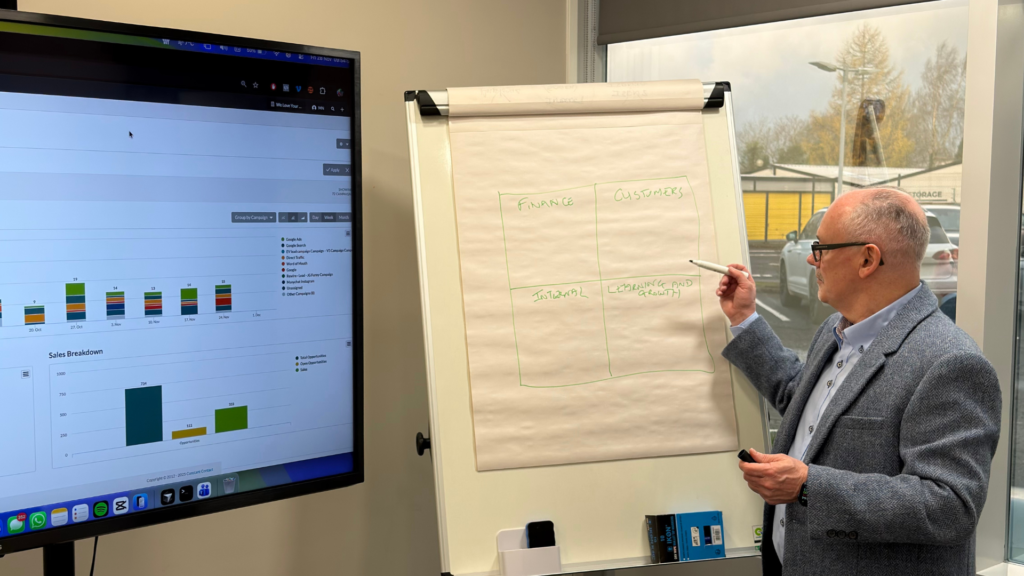
Even when leads were captured, there was no record of what happened next — who spoke to the customer last, what stage they were at, whether anyone had actually followed up.
That changed with a CRM built around how the business actually sells. Every lead and every customer journey is now tracked end to end.
Jamie can see exactly who last spoke to a customer, where they sit in the process, and pull sales and conversion numbers on demand rather than guessing at them.
That kind of visibility does two things. It stops jobs falling through the cracks between one team member and the next. And it means growth decisions get made on real numbers, not gut feel.
If you can’t see where every lead is right now, you can’t fix the ones that are stuck.
Automation to help with marketing and admin that depend on someone remembering to do it
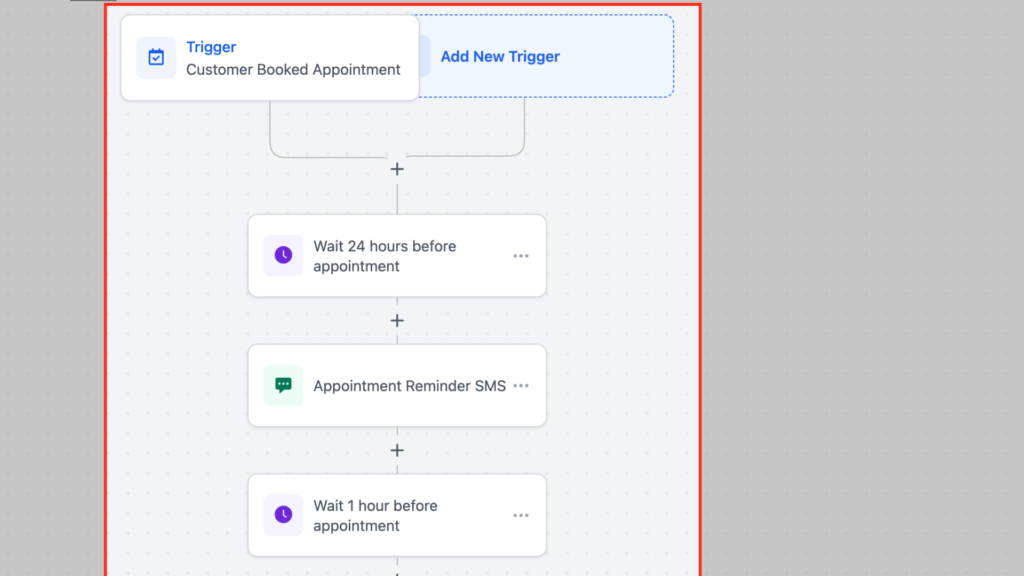
The third gap is the quiet one — the stuff that only happens if someone remembers to do it manually. For most trades businesses, that’s email marketing, follow-up sequences, and the admin around things like maintenance plans or service sign-ups.
For We Love Your Projects, automating this turned into one of the clearest wins of the whole rebuild, now they have weekly email and SMS campaigns that keep past customers warm automatically — no one has to remember to send them.
One of those campaigns went out to the existing customer base with a simple mention of garden rooms. A customer who’d worked with the business before, but never knew garden rooms were something they offered, picked up the phone.
That single email turned into a £24,000 + VAT job.
That’s not a fluke. It’s what happens when the marketing runs whether or not anyone’s thinking about it that week.
The same logic applies to admin.
Maintenance and care plan sign-ups are now fully online — customers sign up themselves, the details land straight with the team, and every system updates automatically. What used to eat up office time now runs itself.
Automation isn’t about doing more marketing. It’s about the marketing you should already be doing happening without relying on memory.
What it adds up to
We Love Your Projects has worked with Autus since starting out in 2020.
In that time, the business has grown from finding its feet to turning over seven figures plus — and Jamie’s been clear that pace of growth wouldn’t have been possible without the systems underneath it.
“It’s given me a lot of confidence to know we can scale or grow a little bit more without the chaos that normally happens.”
That’s really what this comes down to. Missed enquiries, lost follow-up, and manual admin don’t just cost individual jobs — they cap how big a business can get before things start to break.
Fix the systems underneath, and growth stops being something to fear.
Want the full story in Jamie’s own words? Watch the video interview above, or get in touch to talk through what this could look like for your business.